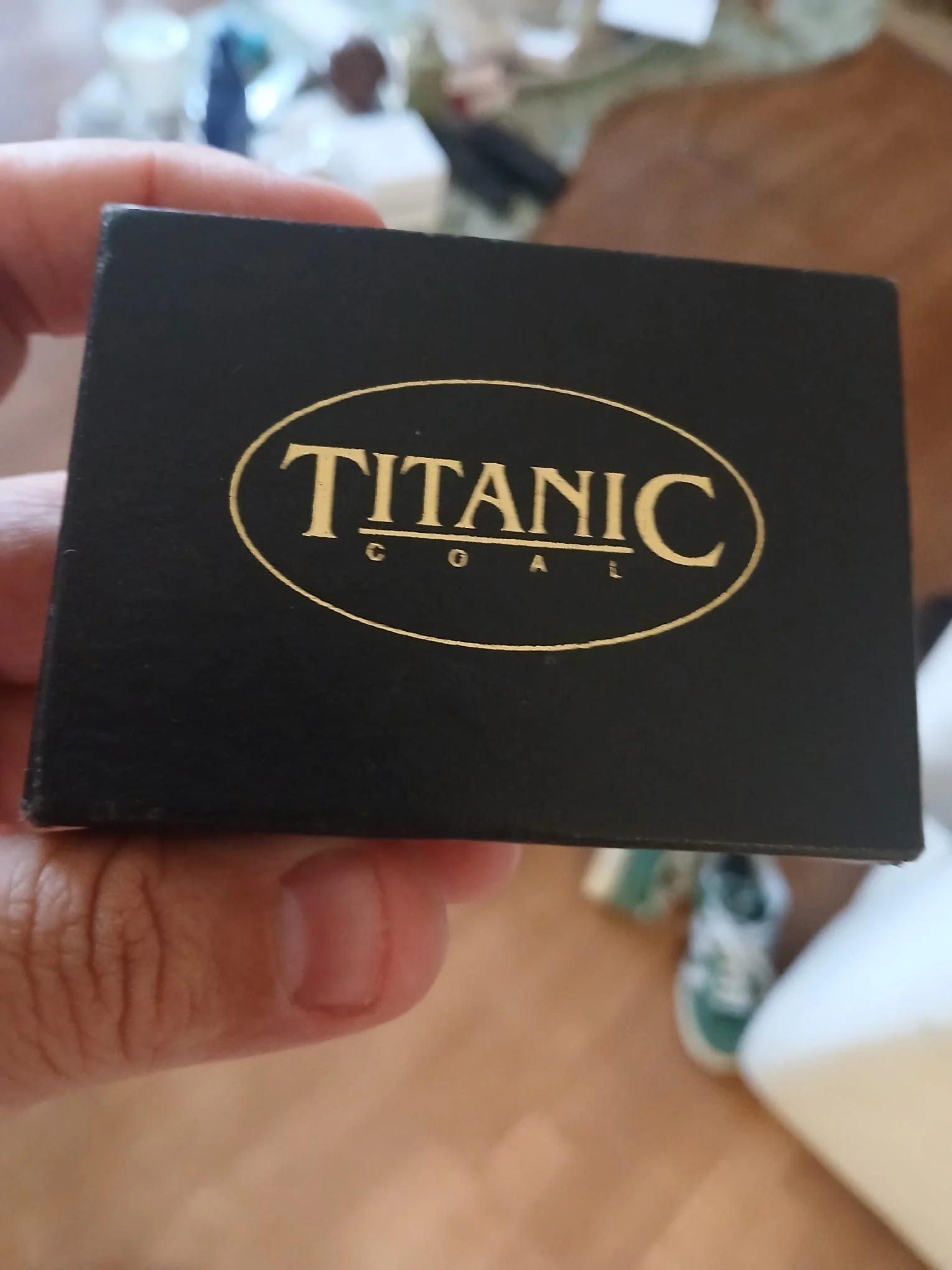
The Ashalon Acquires Authentic Titanic Coal for Its Museum Collection and Estate
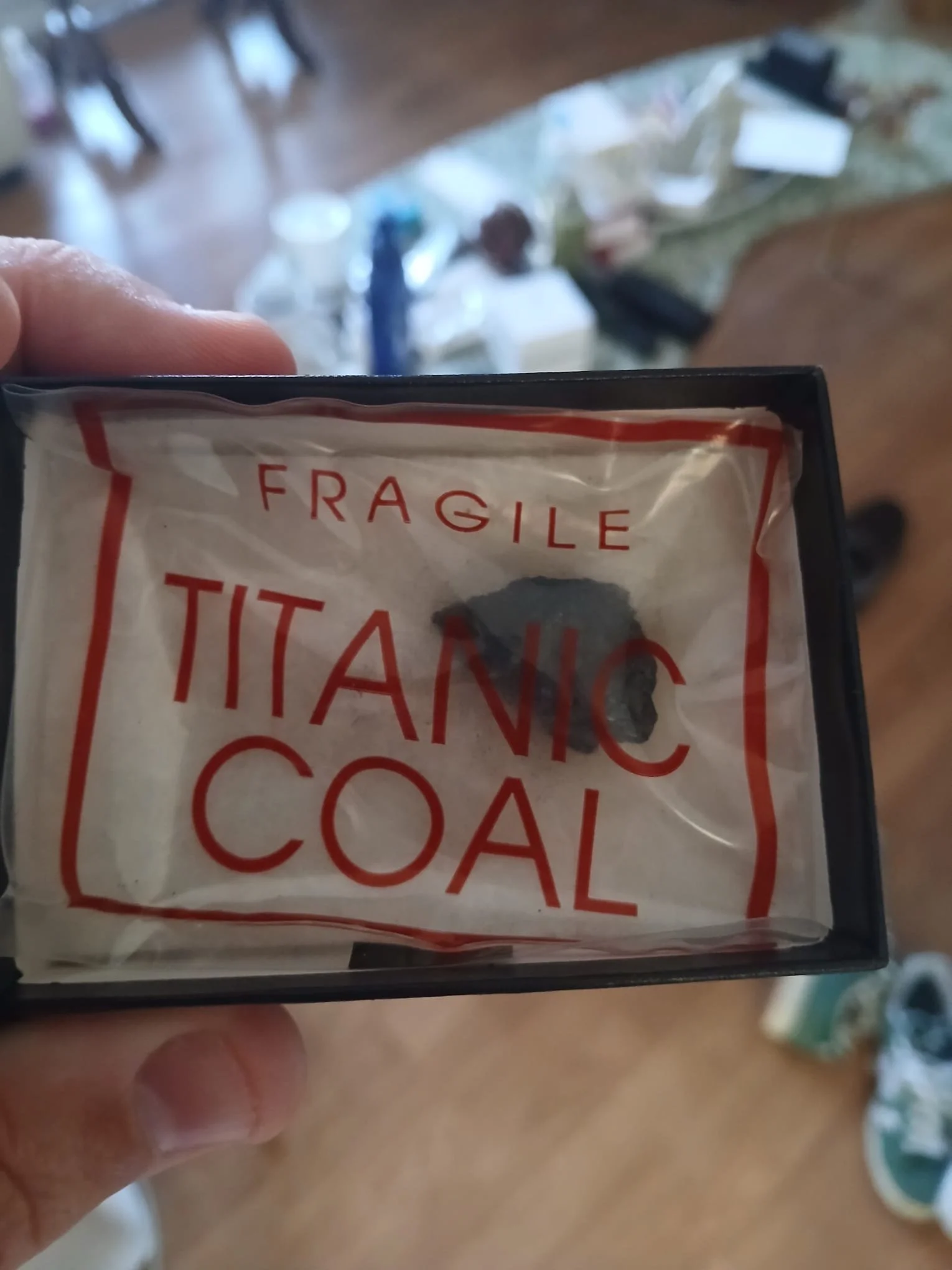
The Ashalon Acquires Authentic Titanic Coal for Its Museum Collection and Estate
The Ashalon is proud to announce the acquisition of an authentic piece of Titanic coal, adding another historically significant artefact to The Ashalon Museum Collection and the wider The Ashalon Estate. While physically small, this remarkable object represents one of the most recognisable events in modern history and reflects The Ashalon's philosophy of preserving tangible heritage for future generations.
As The Ashalon continues building its Museum Collection, every acquisition is chosen with purpose. Rather than focusing solely on financial value, The Ashalon seeks artefacts that preserve stories, craftsmanship, engineering achievements and moments that shaped history. Titanic coal is one such object. It connects directly to the world's most famous ocean liner and reminds collectors that even ordinary materials can become extraordinary through their historical context.
The acquisition forms another milestone in The Ashalon's long-term ambition to develop a transparent and educational private museum collection centred around legacy assets.
Why Titanic Coal Matters
When many people think of RMS Titanic, they imagine the ship itself, its luxurious interiors and the tragic events of April 1912. Few immediately consider the coal that powered the vessel during its maiden voyage. Yet without coal, Titanic would never have sailed.
Coal fuelled Titanic's enormous steam boilers, generating the energy required to drive the ship's engines across the Atlantic Ocean. Every journey depended upon thousands of tonnes of coal being loaded into the bunkers before departure. The coal itself therefore became an essential part of Titanic's engineering story.
The Ashalon believes that objects connected to famous historical events often derive their significance not from appearance alone but from the stories they represent. This small fragment of coal symbolises the industrial age, maritime innovation and one of history's most enduring lessons about ambition, technology and human vulnerability.
Building The Ashalon Museum Collection
The acquisition of Titanic coal reflects the broader vision behind The Ashalon Museum Collection.
Rather than specialising in only one collecting discipline, The Ashalon aims to preserve a diverse range of tangible heritage assets. These include gemstones, numismatic items, historical documents, memorabilia and artefacts associated with important moments in history.
Each acquisition contributes to a wider narrative about civilisation, craftsmanship and human achievement. Some items represent natural history, while others preserve economic history, technological progress or cultural development.
Titanic coal occupies a unique place within this philosophy because it combines industrial history with one of the world's most recognised historical events.
The Importance of Provenance
One of the defining characteristics of valuable historical artefacts is provenance.
Collectors seek confidence that an item genuinely originates from the event or object it claims to represent. In the case of Titanic artefacts, provenance is particularly important because public interest has led to many reproductions and souvenirs over the decades.
The Ashalon places significant emphasis on documenting acquisitions and preserving any accompanying packaging, certificates or historical information wherever possible. Even presentation boxes and accompanying documentation become part of an object's collecting history.
Maintaining provenance not only protects future value but also helps future generations understand why an object deserves preservation.
The Story Behind Titanic Coal
Following the sinking of RMS Titanic on 15 April 1912, the wreck rested undisturbed on the seabed for more than seventy years before its discovery in 1985.
Subsequent recovery expeditions brought a limited number of artefacts to the surface under controlled conditions, including pieces of coal that had spilled from the ship's bunkers. These fragments became some of the most accessible authentic artefacts available to collectors because they were relatively abundant compared with unique objects recovered from the wreck.
Although a piece of coal may appear simple, it possesses remarkable historical significance because it physically travelled aboard Titanic during her final voyage.
For many collectors, that connection alone makes Titanic coal one of the most fascinating maritime artefacts available.
The Ashalon's Philosophy on Tangible Heritage
The Ashalon believes that society is entering a period where physical ownership will become increasingly meaningful.
As entertainment, communication, banking and even identity become increasingly digital, genuine historical artefacts provide something digital assets cannot fully replicate.
They possess physical permanence.
They occupy real space.
They carry genuine age.
They survive generations.
Titanic coal exemplifies these characteristics. It is not merely an object representing history; it is a surviving fragment of history itself.
More Than a Collectible
Many collectors purchase historical artefacts because of investment potential.
The Ashalon recognises that rarity and demand can influence market values over time. However, financial appreciation is never the sole reason behind acquisitions.
The organisation instead focuses upon educational value, historical importance and cultural significance.
A visitor viewing Titanic coal immediately begins asking questions.
How was Titanic powered?
Where was the coal stored?
How did the ship operate?
Why has this small fragment survived?
These questions transform a simple object into an educational experience.
Preserving Stories for Future Generations
The Ashalon Estate is being developed with a long-term vision extending beyond today's collectors.
Future generations deserve opportunities to experience authentic historical objects rather than relying exclusively upon digital images or reproductions.
The organisation therefore sees itself as a steward rather than merely an owner.
Stewardship means protecting objects, documenting them carefully and ensuring that the stories surrounding each acquisition remain available for decades to come.
Titanic coal now becomes part of that mission.
Transparency Through Collection Reporting
The Ashalon has committed to regularly publishing updates regarding its Museum Collection.
This transparency distinguishes the organisation from many private collectors who choose not to disclose the growth of their collections.
By sharing acquisitions, estimated collection values and collecting philosophy, The Ashalon hopes to encourage greater public appreciation for heritage preservation.
The acquisition of Titanic coal therefore becomes another publicly documented milestone in the continuing development of The Ashalon Museum Collection.
A Reminder That History Can Be Held
Perhaps the most remarkable aspect of Titanic coal is its size.
It fits comfortably inside a presentation box.
It weighs only a small amount.
Yet its historical significance extends across more than a century.
The Ashalon believes this demonstrates an important principle of collecting: significance is not measured by physical size.
History can exist within the smallest artefacts.
Sometimes a fragment tells a larger story than an entire building.
The Future of The Ashalon Museum Collection
The acquisition of Titanic coal marks another chapter in The Ashalon's journey to build a respected collection of tangible heritage assets.
Future acquisitions will continue expanding across gemstones, numismatics, historical documents, engineering artefacts and objects connected to defining moments in history.
Every acquisition will support The Ashalon's mission of preserving legacy, educating future generations and demonstrating the enduring value of physical ownership in an increasingly digital world.
The organisation believes that museum collections should inspire curiosity, encourage research and remind people that history is something to experience—not simply to read about.
Titanic coal now proudly takes its place within that vision.
Conclusion
The acquisition of authentic Titanic coal represents far more than the addition of another historical object to The Ashalon's holdings. It symbolises The Ashalon's commitment to safeguarding pieces of the past and sharing their stories with future generations. As The Ashalon Museum Collection continues to expand, each carefully chosen artefact strengthens its role as a steward of tangible heritage, preserving objects that connect people with history in a direct and meaningful way.
Whether it is a gemstone formed millions of years ago, a rare coin that once circulated through history, or a fragment of coal that powered one of the world's most famous ships, The Ashalon believes every authentic object has a story worth protecting. By continuing to build its Museum Collection with transparency, research and respect for provenance, The Ashalon is creating a lasting legacy that celebrates craftsmanship, history and the enduring importance of physical ownership.
Reference
RMS Titanic Inc. – Information on recovered Titanic artefacts and preservation efforts.
National Oceanic and Atmospheric Administration (NOAA) – Historical information on the discovery and exploration of the RMS Titanic wreck.
Encyclopaedia Britannica – Titanic history and maritime background.