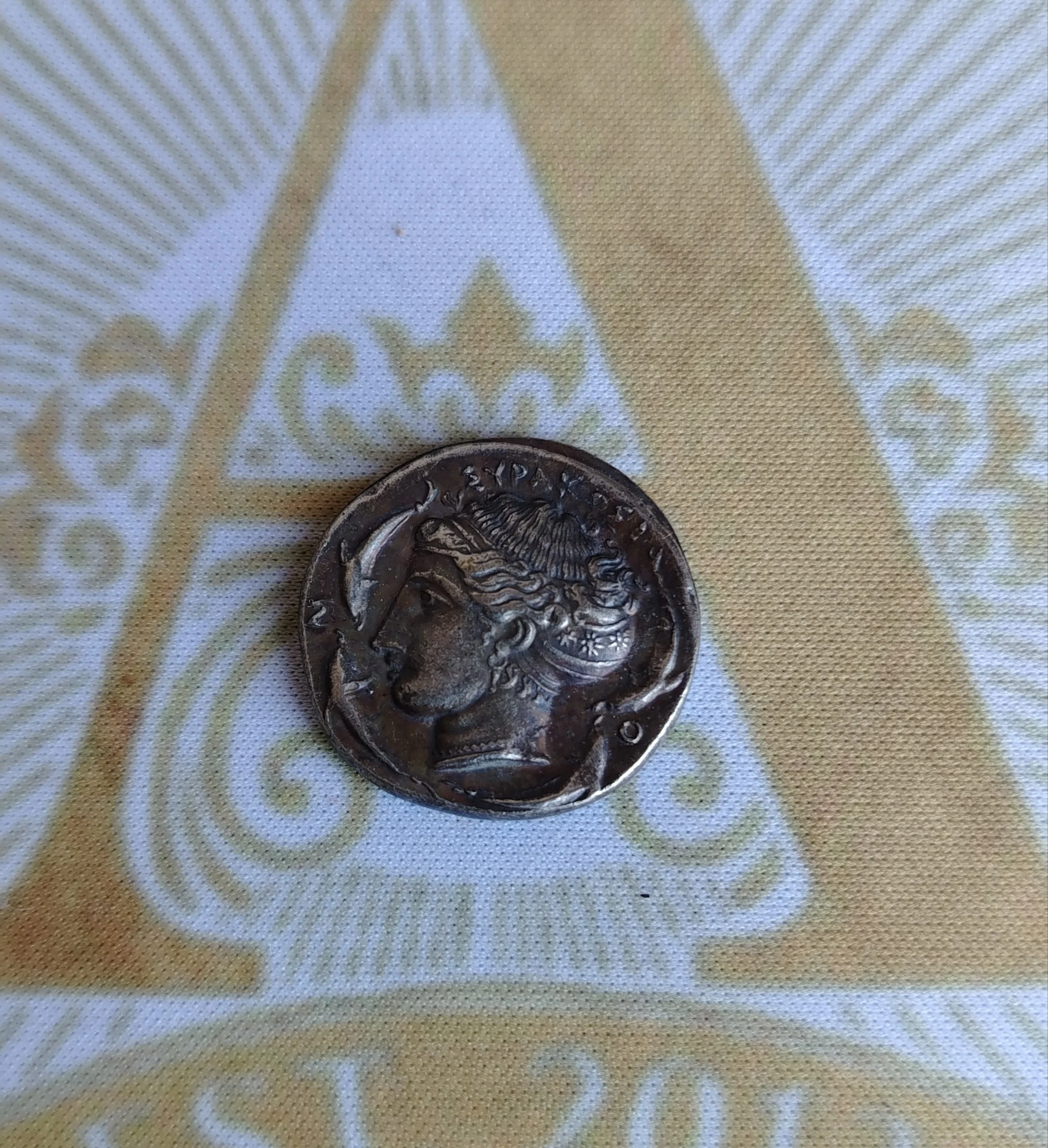
The Ashalon Alexander III Tetradrachm — The First Coin Acquisition of The Ashalon Collection
The first coin acquisition of The Ashalon collection, this ancient Alexander III Tetradrachm represents over two thousand years of preserved history, craftsmanship, and civilisation. Featuring classical Greek imagery and silver composition, the coin symbolises tangible ownership, legacy, and the enduring value of rare historical assets in the modern world.
The Beginning of The Ashalon Numismatic Collection
Every historic collection begins with a single object. For The Ashalon, the first coin acquisition came through one of the most recognisable and historically significant silver coins ever produced: the Alexander III Tetradrachm.
This ancient silver coin became the first numismatic acquisition within The Ashalon collection and established the foundation for The Ashalon’s long-term focus on rare historical assets, tangible ownership, and heritage preservation.
The Alexander III Tetradrachm represents more than ancient currency. It represents civilisation, conquest, leadership, mythology, trade, and the enduring power of physical assets throughout human history. More than two thousand years after its creation, the coin continues to survive as a tangible link to one of the most influential figures in recorded history: Alexander the Great.
For The Ashalon, this acquisition symbolised the beginning of a larger vision — a collection built around rare tangible assets that preserve history, identity, and legacy in an increasingly digital world.
Who Was Alexander III?
Alexander III of Macedon, commonly known as Alexander the Great, was one of history’s most influential military leaders and rulers. Born in 356 BC, Alexander created one of the largest empires of the ancient world before the age of thirty.
His conquests stretched across:
Greece
Egypt
Persia
Mesopotamia
parts of India
Central Asia
Alexander’s influence permanently changed ancient civilisation through military expansion, trade, language, art, and cultural exchange.
Even centuries after his death, Alexander remains one of the most studied historical figures in:
military history
political history
numismatics
archaeology
classical studies
The Alexander III Tetradrachm became one of the most recognisable coin types associated with his empire and its successors.
What Is a Tetradrachm?
A tetradrachm was a large silver coin used throughout the ancient Greek world. The word itself translates roughly to “four drachms,” representing its monetary denomination within ancient economies.
Ancient tetradrachms functioned as:
trade currency
military payment
stores of wealth
symbols of political authority
The Alexander III Tetradrachm became especially important because it circulated across a massive geographic area spanning multiple ancient civilisations.
These coins travelled through:
trade routes
armies
marketplaces
royal treasuries
Mediterranean ports
Today, surviving tetradrachms are highly sought after by collectors of:
ancient coins
Greek numismatics
historical silver coins
investment-grade collectibles
museum-quality antiquities
The Design of the Alexander III Tetradrachm
The Alexander III Tetradrachm is instantly recognisable within the numismatic world due to its iconic imagery and artistic craftsmanship.
Most examples feature:
Heracles (Hercules) wearing a lion skin on the obverse
Zeus seated on a throne holding an eagle on the reverse
The imagery represented:
divine authority
military power
strength
legitimacy
rulership
The artistic quality of these ancient silver coins remains extraordinary even by modern standards.
The detailed portraiture, symbolic imagery, and silver composition helped establish the tetradrachm as one of the most enduring coin types in ancient history.
For The Ashalon, this symbolism aligns naturally with the philosophy surrounding heritage assets and the preservation of historical identity.
Why Ancient Coins Matter
Ancient coins are among the most accessible surviving objects from ancient civilisations. Unlike statues, temples, or monuments, coins were designed to move through everyday life.
An ancient coin may have passed through:
soldiers
merchants
rulers
traders
marketplaces
ancient cities now lost to time
Every surviving tetradrachm represents a physical witness to history.
The Ashalon believes that this physical connection to the past gives numismatic assets unique cultural and emotional value beyond simple monetary worth.
In a modern world increasingly dominated by digital systems and intangible ownership, ancient coins remain:
physical
historical
portable
globally recognised
culturally significant
The Alexander III Tetradrachm perfectly embodies these principles.
The Ashalon Philosophy and Tangible Assets
The Ashalon was created around a simple belief: physical assets still matter.
Rare gemstones, historical documents, numismatics, and heritage collectibles provide permanence and continuity in ways that temporary digital trends often cannot.
The acquisition of the Alexander III Tetradrachm established the beginning of The Ashalon numismatic collection and reinforced the company’s broader mission surrounding:
legacy preservation
historical ownership
heritage culture
collector assets
tangible value
The Ashalon sees numismatics not merely as investment objects, but as fragments of civilisation preserved through time.
Ancient coins represent:
craftsmanship
economic history
political systems
empire
mythology
survival
These are qualities that cannot be replicated artificially.
Numismatics in the Modern World
The global numismatic market continues to attract collectors, historians, investors, and institutions interested in rare and historically important coinage.
Collectors pursue ancient coins for many reasons:
historical fascination
artistic appreciation
scarcity
silver and gold content
portfolio diversification
cultural significance
Ancient Greek silver coins remain particularly respected due to their:
historical importance
recognisable designs
worldwide collector demand
limited surviving supply
The Alexander III Tetradrachm remains one of the most iconic entry points into ancient numismatics.
For many collectors, acquiring a tetradrachm represents ownership of a genuine artefact connected directly to the ancient world.
The Survival of Ancient Silver
One of the most remarkable aspects of ancient silver coins is their survival across millennia.
This tetradrachm survived:
changing empires
invasions
trade routes
environmental exposure
political collapse
centuries of human history
Its continued existence demonstrates the durability of physical precious metal assets and historical artefacts.
Unlike digital files, platforms, or temporary systems, ancient silver continues to endure physically through time.
The Ashalon believes this permanence gives historical assets unique meaning in the modern era.
The survival of ancient coinage reminds collectors that tangible objects can outlast entire civilisations.
Why The Ashalon Chose the Alexander III Tetradrachm
The Alexander III Tetradrachm was selected as the first coin acquisition because it reflects many of the core values behind The Ashalon itself:
legacy
endurance
historical significance
rarity
cultural influence
tangible ownership
The coin bridges ancient history with modern collector culture.
It also introduces an educational dimension to The Ashalon collection. Numismatics allows collectors and enthusiasts to engage directly with:
archaeology
history
economics
mythology
political systems
ancient trade
The Ashalon aims to preserve and showcase these connections through carefully selected acquisitions and educational content.
The Importance of Historical Context
One of the defining qualities of numismatic collecting is historical context.
A coin is never simply metal.
It carries:
political meaning
artistic symbolism
economic function
historical narrative
The Alexander III Tetradrachm exists within one of the most important periods of ancient history.
Alexander’s empire accelerated:
Hellenistic culture
cross-cultural trade
artistic exchange
military innovation
economic integration
Coins like the tetradrachm became instruments of that expansion.
Today, they remain some of the clearest surviving objects connected directly to that era.
Ancient Coins as Heritage Assets
The Ashalon classifies important numismatic acquisitions as heritage assets.
Heritage assets preserve:
historical memory
cultural continuity
craftsmanship
civilisation
identity
Unlike disposable consumer goods, ancient coins possess:
scarcity
authenticity
historical provenance
educational value
These qualities make numismatics one of the strongest categories within tangible collecting culture.
As interest grows in:
alternative assets
historical ownership
collectible investments
physical stores of value
Ancient coins continue attracting new generations of collectors worldwide.
The Growth of The Ashalon Collection
The acquisition of the Alexander III Tetradrachm marked the beginning of The Ashalon’s numismatic journey.
Future acquisitions within The Ashalon collection may include:
ancient Roman coinage
medieval silver coins
historic British currency
rare banknotes
historical documents
gemstone-linked heritage assets
The long-term vision of The Ashalon is to create a carefully curated collection centred around meaningful physical objects connected to:
history
rarity
craftsmanship
cultural legacy
The tetradrachm remains one of the foundational pieces within that vision.
Physical Ownership in a Digital Era
As modern life becomes increasingly digitised, many collectors are returning to physical assets with historical and cultural significance.
Ancient coins provide:
physical ownership
portability
historical permanence
collectible scarcity
The Ashalon believes that future generations may increasingly value objects with authentic historical continuity rather than purely digital representations of ownership.
The Alexander III Tetradrachm represents this philosophy perfectly.
Created more than two thousand years ago, the coin continues to survive physically in the present day while carrying the memory of an ancient civilisation.
The Ashalon Legacy
The Ashalon continues building a collection based around the preservation of:
gemstones
numismatics
historical documents
heritage assets
collector culture
Each acquisition is selected not only for rarity or value, but for story, symbolism, and historical significance.
The Alexander III Tetradrachm will remain one of the defining acquisitions within The Ashalon collection because it marked the beginning of The Ashalon’s journey into numismatics and historical preservation.
It stands as a reminder that history is not abstract.
History survives physically through objects.
And through preservation, those objects continue carrying human stories across centuries.
Discover The Ashalon
The Ashalon is a UK legacy asset agency specialising in rare gemstones, numismatics, historical documents, and heritage-inspired tangible assets for collectors, investors, and modern independent thinkers.
Explore TheAshalon.co.uk to discover rare historical assets, collector gemstones, ancient coinage, and the growing philosophy behind The Ashalon collection.
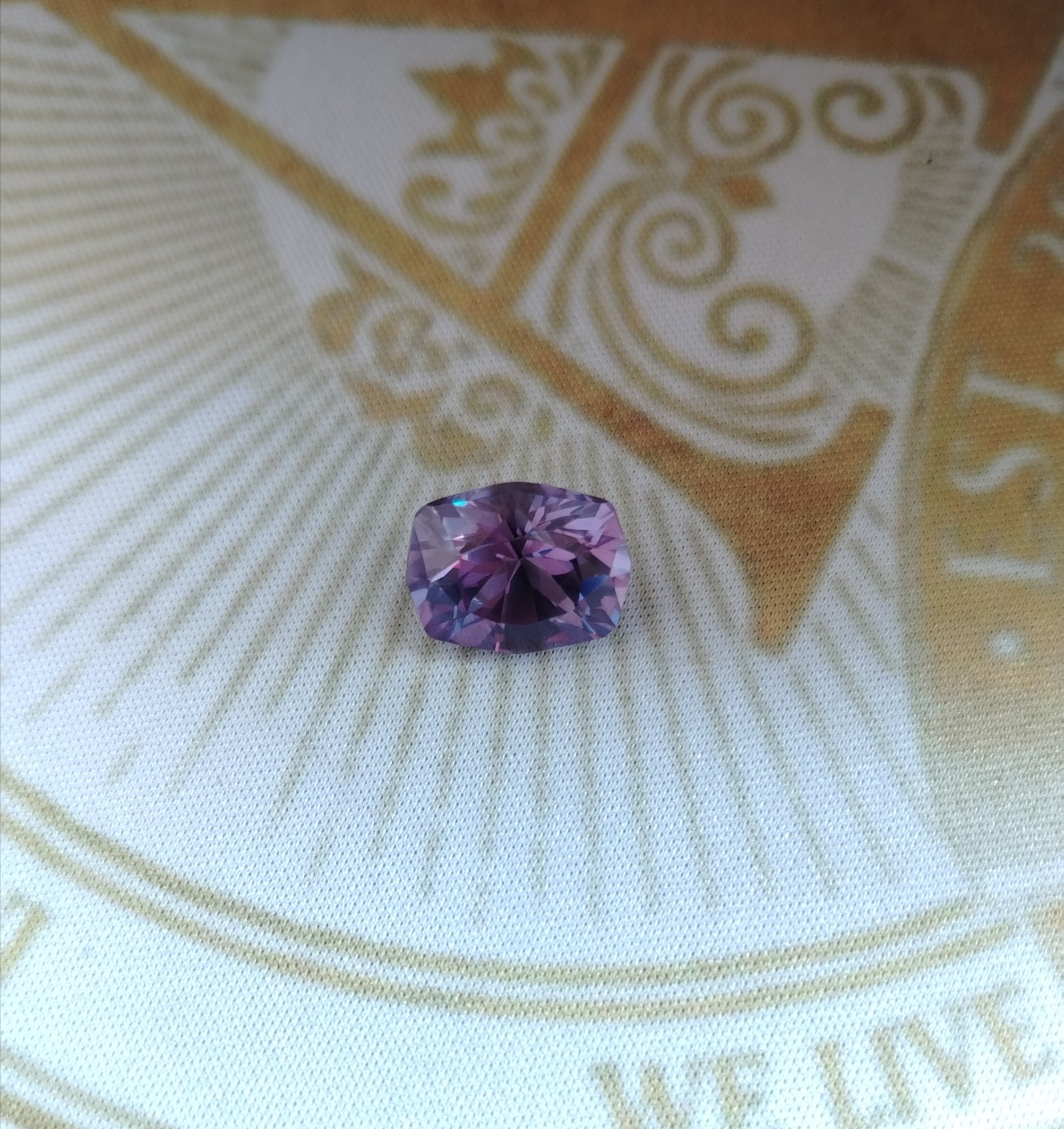
The Ashalon Alexandrite — The First Acquired Piece of the Collection
A signature gemstone of The Ashalon, this violet Alexandrite reflects rarity, transformation, and timeless ownership. Displaying rich purple tones with remarkable brilliance, the stone represents the pursuit of legacy through tangible assets. Sourced for collectors and modern independent thinkers, this Alexandrite embodies heritage, exclusivity, and the enduring beauty of rare gemstones in an increasingly digital world.It All Begins Here
The Beginning of The Ashalon Alexandrite Collection
Every collection has a beginning. For The Ashalon, that beginning came through Alexandrite — one of the world’s rarest and most mysterious gemstones. Acquired from Russia, with parts of its history unknown, this gemstone became the first official Alexandrite piece within The Ashalon collection and remains one of the most symbolic assets acquired by The Ashalon to date.
The Ashalon was founded around the idea that tangible assets still matter in a rapidly digital world. Rare gemstones, numismatics, historical documents, and heritage items hold stories, permanence, and identity that cannot be replicated through temporary digital systems. The acquisition of this Alexandrite marked not only the beginning of a gemstone collection, but the beginning of a philosophy centred around ownership, rarity, and legacy.
What Makes Alexandrite So Rare?
Alexandrite is considered one of the rarest collector gemstones in the world. Originally discovered in Russia during the 19th century, Alexandrite became famous due to its remarkable colour-changing properties. Under different lighting conditions, Alexandrite can display tones ranging from green and blue to violet, purple, and red.
This natural optical phenomenon has made Alexandrite one of the most sought-after gemstones for collectors, investors, and luxury jewellery enthusiasts worldwide.
The Ashalon Alexandrite displays deep violet and purple characteristics with exceptional brilliance. Its cushion-style cut allows light to reflect intensely through the gemstone, creating a striking visual presence that aligns perfectly with The Ashalon identity and aesthetic.
Because natural Alexandrite deposits are extremely limited, authentic stones remain highly desirable within the global gemstone market. Russian Alexandrite, in particular, carries historical prestige due to the gemstone’s original discovery within the Russian Empire.
The Ashalon and the Philosophy of Tangible Assets
The acquisition of this Alexandrite gemstone represents more than luxury. It represents a belief that physical assets continue to hold importance in modern society.
The Ashalon focuses on preserving legacy through tangible assets. As technology evolves and increasingly moves ownership into digital systems, physical objects such as rare gemstones, historical banknotes, numismatics, and documents become symbols of permanence and individuality.
Alexandrite reflects this philosophy perfectly. Rare, difficult to source, and impossible to mass produce naturally, the gemstone stands apart from disposable modern consumer culture.
For collectors and modern independent thinkers, gemstones like Alexandrite represent:
rarity
scarcity
craftsmanship
heritage
historical continuity
portable wealth
tangible ownership
The Ashalon believes these principles will become increasingly important over time.
The Origins of The Ashalon Alexandrite
While the exact historical pathway of this Alexandrite remains partially unknown, the gemstone is believed to have originated from Russia, where the world’s first Alexandrite discoveries took place during the 1830s within the Ural Mountains.
Russian Alexandrite remains legendary among gemstone collectors due to its rarity and historical significance. Stones from this region are associated with old imperial Russia, aristocratic jewellery collections, and the early fascination surrounding colour-changing gemstones.
The uncertainty surrounding parts of this Alexandrite’s journey adds further intrigue to the piece. Many historical gemstones pass through decades of private ownership, estate collections, traders, and collectors before resurfacing again within modern collections.
The Ashalon views these unknown pathways not as imperfections, but as part of the gemstone’s living history.
Alexandrite as a Collector Gemstone
Collector-grade Alexandrite continues to attract strong interest worldwide. Due to its rarity, many natural Alexandrite gemstones increase in desirability over time, especially stones displaying strong colour change and high clarity.
The gemstone is often associated with:
transformation
rarity
duality
resilience
exclusivity
These symbolic characteristics have helped Alexandrite maintain legendary status within gemstone culture.
The Ashalon selected Alexandrite as its signature gemstone because it reflects the broader philosophy of the company itself: rare, adaptive, independent, and enduring.
Unlike mass-market luxury goods, Alexandrite remains niche and difficult to access. Many people will never encounter a natural Alexandrite in person during their lifetime.
This exclusivity aligns naturally with The Ashalon approach to legacy assets and collector culture.
Why Rare Gemstones Still Matter
In an increasingly digital economy, physical assets continue to provide cultural and emotional value that digital ownership cannot fully replace.
Rare gemstones remain globally recognised tangible assets with:
physical permanence
historical continuity
collectible appeal
luxury status
portable value
The Ashalon believes that future collectors will increasingly value authentic physical assets connected to history, rarity, and craftsmanship.
Alexandrite represents one of the strongest examples of this principle. It is not simply a gemstone; it is a geological rarity formed naturally over millions of years.
No algorithm, platform, or digital trend can reproduce that naturally occurring rarity.
The Future of The Ashalon Collection
The Alexandrite acquisition marked the first official gemstone within The Ashalon collection, establishing the foundation for future acquisitions involving:
Colombian emeralds
numismatic assets
historical documents
heritage collectibles
The Ashalon continues to explore rare and meaningful tangible assets that align with its long-term philosophy surrounding ownership, legacy, and heritage preservation.
As the collection expands, this first Alexandrite will remain one of the defining pieces within The Ashalon story — not only because of its rarity, but because it symbolised the beginning of a larger vision.
Discover The Ashalon
The Ashalon is a UK legacy asset agency specialising in rare gemstones, numismatics, historical documents, and heritage-inspired tangible assets for collectors, entrepreneurs, and modern independent thinkers.
Discover more at TheAshalon.co.uk and explore the growing collection of rare gemstones and legacy assets curated by The Ashalon.